
Dr Dipankar Laboratories Pvt Ltd
The knowledge of making Po:ro Apong has traditionally been carried by Mising women and passed from one generation to another—not through written manuals, but through years of observation, practice and memory.
Traditionally prepared Apong is often sold in informal local markets, sometimes in basic plastic containers. Prices remain low, quality is judged inconsistently, and the identity of the brewer is largely invisible to the final consumer.
Dr Dipankar Laboratories realised that preservation could not be limited to stabilising the liquid inside a bottle. The company also had to help preserve the people, skills and landscapes that made the beverage possible.
DDL therefore began working directly with two women-led Self-Help Groups in the Dhemaji district of Assam. The relationship was developed over more than three years, rather than through a short-term procurement arrangement.
The women remained the brewers and custodians of the traditional process. The company’s role was to introduce hygienic practices, improve production environments, establish quality controls and create greater consistency without removing the cultural foundations of the craft.
This distinction is important.
The objective was never to replace traditional knowledge with an industrial formula. It was to create a bridge between inherited craftsmanship and the requirements of a modern, regulated market.
The SHGs have now become part of Tí:po’s supply chain. This provides the women with a more predictable economic relationship and connects their work to a premium product rather than an undervalued informal commodity.
Every bottle can therefore carry value back to the community from which the knowledge originated.
For the women, this model offers more than an additional source of income. It gives their expertise a recognised place within a formal enterprise. It allows a traditional brewer to be seen not as an anonymous rural supplier, but as a skilled knowledge holder whose work is essential
to the identity and quality of the final product.
Economic dignity may also be the strongest incentive for intergenerational preservation. When younger women see that this knowledge can provide respect, stable livelihoods and participation in a wider value chain, learning the craft becomes an opportunity rather than an obligation.
Research and development began in August 2020. After years of trials, scientific study and close collaboration with traditional brewers, the company developed a process that extended the shelf life of the rice wine from a few days to approximately four to five years.
In 2026, Po:ro Apong was finally bottled and introduced to the market under the brand Tí:po.
Key areas of work
Commercialization of Heritage wine specifically Po:ro Apong to create a Premium brand.
Contact & organizational details
CEO/Founder: Dr. Dipankar Kalita
Office address : BioNEST IASST, Vigyan Path, Pachim Boragaon, Garchuk, Guwahati-781035, Assam, India
Registered address : H-13, Satirtha Path, Guwahati, Assam 781006
Website : https://www.heritagetipo.com/
Email : dipankar@heritagetipo.com
Contact no : 9678771760
Product Gallery
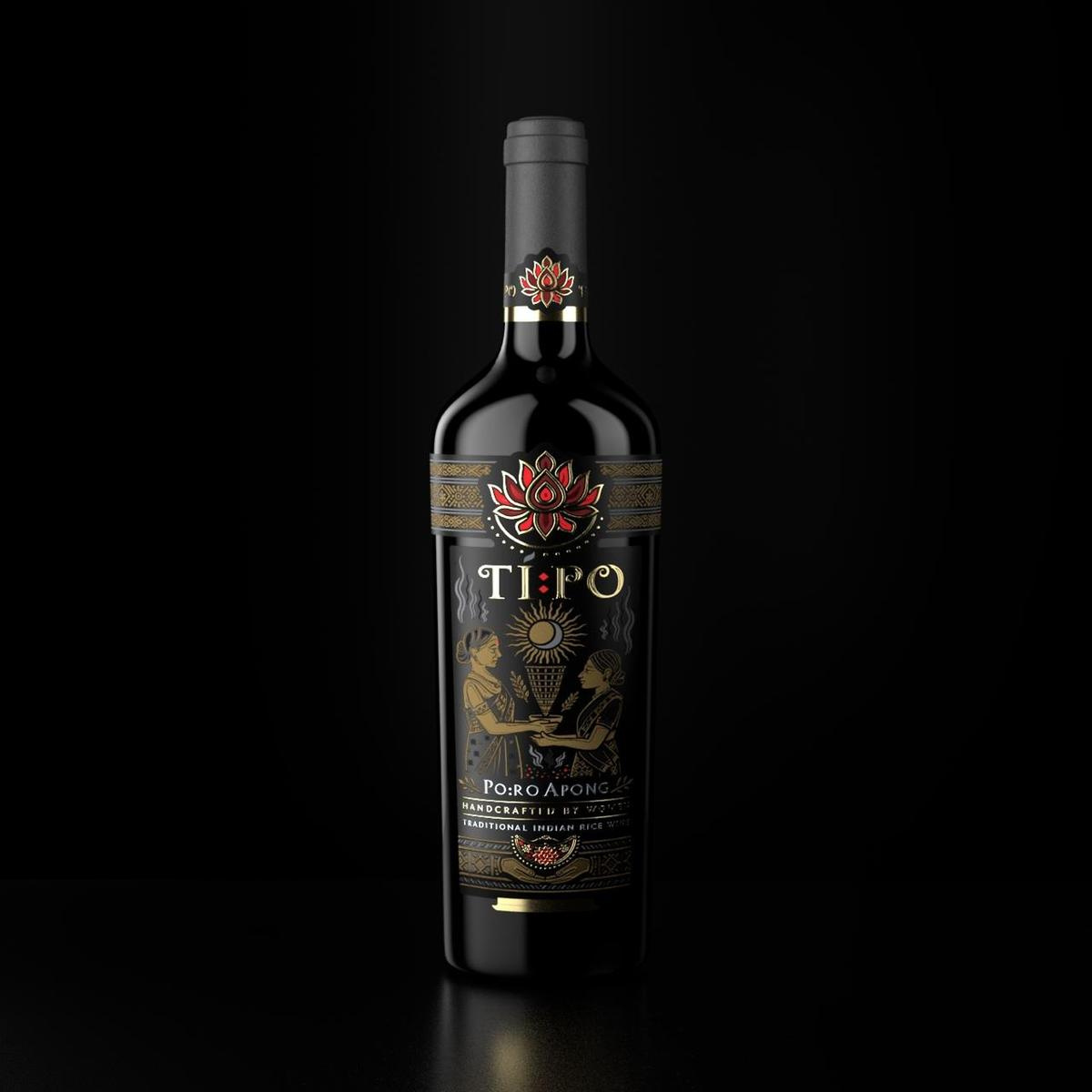
TIPO
×
![Enlarged Product]()